
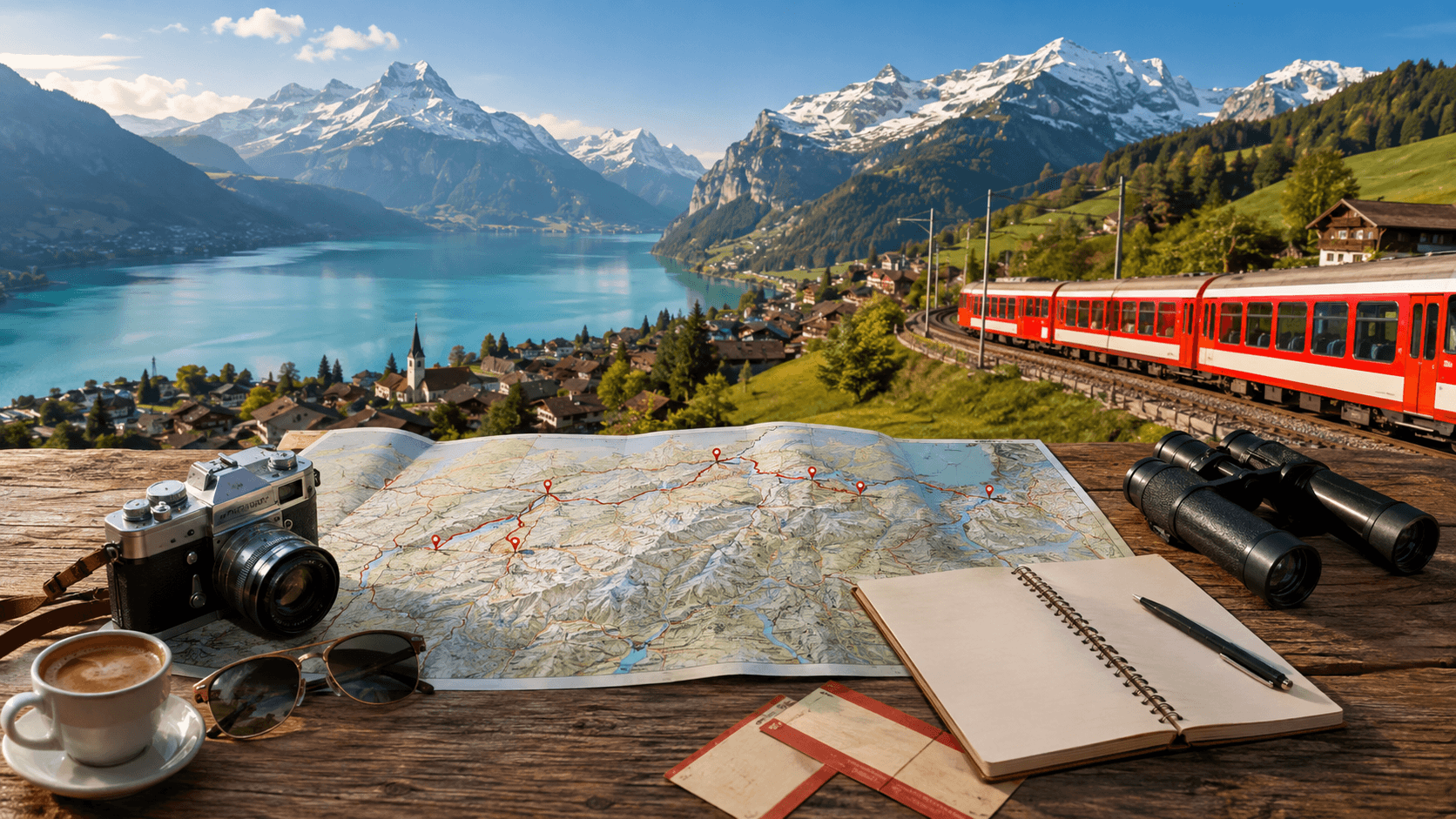
 Plan your trip
Switzerland draws crowds of global travelers with its four-thousand-meter peaks, cold alpine lakes, and punctual trains. Solid preparation ensures a smooth journey through these mountains. As you map out your 2026 travels, knowing How to Plan the Perfect Trip to Switzerland requires learning about train timetables, weather seasons, and regional stops.
This guide covers the necessary steps for mapping out a Swiss holiday. By learning How to Plan the Perfect Trip to Switzerland, readers acquire budgeting advice, transit tricks, and path suggestions to get the most out of their time in the high country.
Best Times to Visit: Swiss Itinerary Tips
Picking the right travel window defines the whole experience. High alpine trails remain blocked by heavy snow until late June. This makes July and August the prime months for hikers.
Timing matters when figuring out How to Plan the Perfect Trip to Switzerland because mountain cable cars often close for maintenance during late spring and late autumn. September offers clear skies and smaller crowds. October brings golden larch trees to the valleys.
Winter fans should target January through March for reliable snow. Ski hubs like Zermatt, Verbier, and Grindelwald offer excellent slopes and snowy walking trails during these colder months.
| Season | Months | Best For |
|---|---|---|
| Summer | July to August | High-altitude hiking, warm lake swimming, and open mountain passes |
| Autumn | September to October | Vineyard walks, pleasant temperatures, and fewer tourists |
| Winter | December to March | Skiing, snowboarding, and festive Christmas markets |
Designing a Smooth Swiss Itinerary
An eight-day plan should balance historic towns with steep mountain views. Changing hotels every single night wastes daylight hours on packing. Avoid this mistake to save your energy.
When mapping out your route, understanding How to Plan the Perfect Trip to Switzerland involves balancing mountain excursions with historic town visits. Base yourself in Lucerne for two nights to explore the medieval architecture and nearby Mount Pilatus.
Spend the next three nights in the Jungfrau Region. Choose Lauterbrunnen or Grindelwald as your base. Finish your travel in Zermatt to see the Matterhorn before leaving through Zurich or Geneva.
- Bernese Oberland: Famous for the Lauterbrunnen valley, Jungfraujoch, and Grindelwald First.
- Central Switzerland: Home to old Lucerne, Lake Lucerne, and Mount Pilatus.
- Valais Region: Home to Zermatt, the Matterhorn, and long glacier trails.
Navigating Swiss Transportation
The Swiss Travel System offers unlimited rides on trains, buses, and boats. This eliminates the need to buy single point-to-point tickets. It also covers scenic routes like the GoldenPass Line.
Getting the right transit pass is a main part of How to Plan the Perfect Trip to Switzerland without spending too much. The Swiss Travel Pass also grants free entry to over 500 museums. It even includes mountain railways like Mount Rigi.
Seat reservations are not required on standard Swiss trains. This freedom allows for spontaneous day trips. Only special routes like the Glacier Express require a seat booking in advance, which you must book months early.
Get the SBB Mobile app to track schedules and platform changes. Swiss trains run on time. Connections of just four minutes are easy to make.
Budgeting and Financial Planning
Switzerland uses the Swiss Franc instead of the Euro. Cards work almost everywhere, from mountain huts to restaurants. Keep a small amount of cash for self-service farm stands in the countryside.
Daily costs run around 200 to 300 Swiss Francs per person for mid-range budgets. Watching your expenses is a key part of How to Plan the Perfect Trip to Switzerland. Renting apartments with kitchens helps you save money by cooking.
Buy fresh food at Coop or Migros shops instead of eating out every day. Tap water is safe to drink from public fountains everywhere. This trick saves you from buying plastic water bottles.
Packing Tips for Alpine Climates
Mountain weather changes in minutes. Packing warm layers keeps you comfortable during high-altitude trips where temperatures drop near glaciers.
Good hiking boots with deep tread are necessary for mountain trails. Bring the right adapter because Swiss wall outlets differ from other European plugs.
- Waterproof Gear: A light rain jacket protects you from sudden storms.
- Type J Adapter: Switzerland uses three-pronged outlets that differ from standard European plugs.
- Sun Protection: High-altitude sun requires strong sunscreen and sunglasses.
Ready for the Alps
Setting your route, buying transit passes, and timing your visit right ensures a smooth vacation. Following these steps helps you know How to Plan the Perfect Trip to Switzerland for your next getaway.
Get ready for great views, precise trains, and mountain scenery. Your prep work will pay off with a memorable journey.


Comments are closed